- Phone: +91 9768157682 / +91 9987300609
- Email: info@tenderimpulse.com

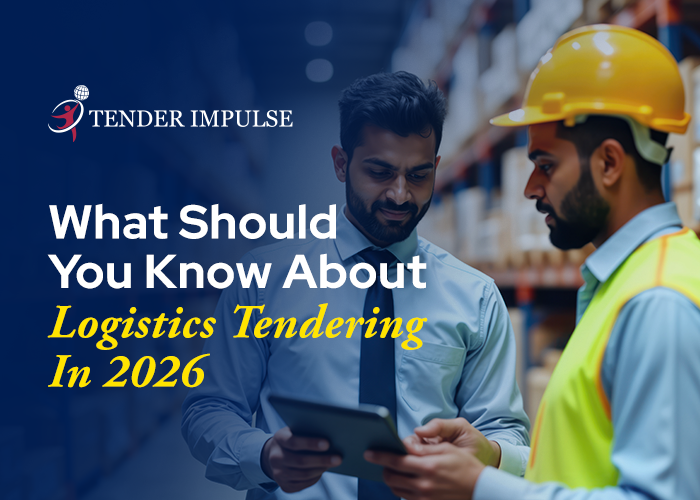
What Should You Know About Logistics Tendering In 2026

Global supply chains are transitioning from reactive resilience strategies to data-driven value models. Shifting trade regulations, fluctuating fuel costs, and labor shortages require transport networks to be highly adaptable. Securing reliable freight capacity and predictable lane pricing in this environment depends heavily on a structured commercial process.
A modern Logistic Tender serves as the framework for balancing operational risk against financial efficiency. Enterprises are moving away from manual procurement toward integrated electronic platforms to manage complex multi-region lane portfolios.
Navigating this updated environment requires full transparency, real-time tracking integration, and strict alignment with global compliance standards.
Structural Shift Toward Digital Freight Platforms
Securing high-performing carrier agreements requires moving beyond isolated procurement transactions. Modern enterprises use automated systems to aggregate historic lane data, allowing them to structure a comprehensive Logistic Tender that accurately reflects true freight volumes.
Centralized platforms allow procurement teams to issue requests for proposals across diverse regional carrier networks simultaneously. Utilizing an established electronic Tender Portal streamlines documentation, tracking, and communication across all bidding parties.
This digital baseline eliminates administrative delays, ensuring information remains consistent throughout the initial discovery phase.
Key Phases For Successful Tender Preparation
- Consolidate Historical Volumes: Aggregate real-time data from internal transportation management systems to provide accurate baseline metrics for target shipping lanes.
- Pre-Qualify Fleet Networks: Verify vehicle safety logs, active fuel surcharges, and regional carrier insurance mandates via a dedicated tender website prior to request distribution.
- Incorporate Technology Rules: Mandate that participating transportation providers support direct API system integration for continuous order visibility and automated carbon tracking.
- Establish Response Windows: Enforce standard 21-to-30-day timelines for quote submissions to ensure corporate teams can evaluate proposals without compromising seasonal shipping schedules.
Strategic Evaluation Of Procurement Submissions
Managing large-scale commercial bidding requires a clear multi-tiered review framework. Evaluating carrier responses strictly on introductory spot rates can lead to sudden service disruptions when market volumes tighten unexpectedly.
Analytical Scorecard Architecture
When executing a structured Logistic Tender, procurement teams evaluate submissions across distinct operational capabilities. Carriers must prove both fiscal health and localized operational expertise within specified regional lanes.
Reviewing detailed performance metrics helps companies avoid low-cost bidders who lack sufficient assets to guarantee capacity during unexpected supply disruptions. Dedicated service level agreements protect margins when volumes increase rapidly.
Formalizing Sustainable Carrier Agreements
Modern tender contracts prioritize environmental responsibility alongside financial metrics, reflecting current European and global reporting demands. Businesses now measure carrier efficiency through specific asset data points:
| Procurement Vector |
Operational Performance Target |
| Fleet Modernization |
Use of alternative fuels or smart route optimization tools. |
| Equipment Handling |
Implementation of standardized, reusable transport packaging systems. |
| System Visibility |
Near-real-time tracking loops connecting directly to enterprise control towers. |
Advanced Risk Mitigation In Freight Pricing
Mitigating macroeconomic risk during a high-volume Logistic Tender involves implementing variable pricing clauses rather than rigid multi-year fixed tariffs. Sudden geopolitical events or shifts in regional import taxes can invalidate static ocean or over-the-road freight models overnight.
Integrating external macroeconomic cost indexes into final tender contracts creates a neutral pathway for adjusting base rates up or down dynamically. This automated structure protects freight forwarders from operating below cost while shielding shippers from sudden spot market inflation.
Successful tender bidding relies on these transparent adjustment corridors to ensure long-term service stability.
Technical Integration And Execution Controls
Deploying a successful freight program depends directly on the technical execution layer established post-award. Efficient tender bidding teams must verify that chosen carrier systems connect directly to core corporate transport nodes with minimal manual intervention.
- Validate Secure Communication: Mandate secure automated authentication for all electronic data exchanges, shielding sensitive freight pricing and customer address databases from exterior exposure.
- Automate Performance Auditing: Implement automated freight auditing to instantly compare final invoice data against primary tender agreements, highlighting incorrect billing variables automatically.
- Monitor SLA Deviations: Establish real-time exception alerts inside your central Tender Portal to flags recurring transit delays or sudden freight rejections.
Reviewing these technical performance metrics on a centralized tender website ensures procurement teams can address service drops before localized distribution bottlenecks manifest.
Optimizing Multi-Modal Supply Networks
A comprehensive Logistic Tender allows logistics coordinators to evaluate multi-modal lane transitions systematically. Comparing overlapping rail, over-the-road, and maritime freight paths allows companies to craft balanced networks that lower dependency on volatile single-carrier channels.
Organizations that maintain diversified routing models lower overall operational risks significantly when individual ports or rail corridors experience regional congestion. This structured optimization strategy turns routine procurement exercises into a long-term competitive advantage.
Strategic Utilization Of Continuous Sourcing Models
Adopting a continuous sourcing approach changes how enterprises handle sudden market fluctuations. Instead of relying entirely on rigid annual events, procurement teams can use real-time market data to execute targeted micro-tenders for volatile shipping lanes.
This agile methodology allows companies to adjust their logistics network without disrupting their broader, high-volume agreement structures. Integrating continuous mini-rounds directly into a Tender
Portal ensures that supply chains remain highly adaptable when regional freight capacities shift unexpectedly.
Predictive Analytics And Machine Learning Integration
Integrating predictive analytics tools into your primary tender website optimizes long-term asset allocation and route planning. Advanced machine learning models process historical transit patterns and global weather anomalies to forecast potential delivery delays before they occur.
- Forecast Lane Congestion: Anticipate bottlenecks at major international ports or border crossings during peak seasons to reroute time-sensitive shipments proactively.
- Optimize Fuel Surcharge Variations: Model future energy price trends to negotiate balanced, index-linked fuel matrices during the initial contract setup phase.
- Predict Carrier Acceptance Rates: Identify which transportation partners are most likely to reject tender offers during high-volume periods based on historical compliance data.
Leveraging these predictive data streams allows supply chain managers to transition from reactive problem-solving to proactive network design, ensuring consistent service reliability.
Summary
Maximizing the value of a high-volume Logistic Tender requires aligning corporate transport goals with modern digital tools. Shifting away from manual spreadsheets toward structured electronic networks reduces entry errors and guarantees reliable data exchange.
By implementing clear technical standards, variable index pricing, and thorough multi-carrier reviews, businesses protect their distribution pipelines from market volatility while locking in predictable long-term distribution costs. For more information visit Tender Impulse.
FAQs:
1. What is the primary focus of an enterprise logistics procurement cycle?
The process structures multi-carrier selections to guarantee transport capacity, stabilize lane pricing, and minimize cross-border transit disruptions.
2.How do electronic procurement systems improve general carrier interactions?
A centralized system standardizes line-item requirements, removing pricing variance and establishing equal access for all participating transport providers.
3.Why should businesses incorporate variable pricing metrics in long-term agreements?
Index-linked adjustments protect supply chains from sudden fuel spikes, regional tariff adjustments, and rapid spot market capacity shifts.
4.What is the primary focus of an enterprise logistics procurement cycle?
Carriers must support API data feeds for near-real-time visibility, automated exception logging, and electronic milestone updates.
5. How do historical shipping logs assist during initial platform setup?|
Past volume metrics allow procurement teams to present verified lane requirements, leading to precise, lower-risk commercial proposals.
6. Is carbon footprint measurement standard in current maritime and road bids?
Yes, modern procurement frameworks include specific data blocks to track, report, and optimize fleet greenhouse gas emissions.